It’s October, denizens. You know how much I love this month. Even though it’s cold and bound to get colder from this point on in the year, I can’t help it. I love Halloween. I love horror. And while I’m still struggling to find solid footing when it comes to my visits here to the lair, I had this idea this morning while driving to work and I’m going to try to make it so. See, I decided a little while ago that, for this October, I wanted to watch/re-watch every Wes Craven-directed movie that doesn’t include the word Nightmare or Scream in the title. We all know how I feel about those two franchises. But what about all the other films that Craven directed throughout his career?
I’ve already loaded up my Netflix queue with every Craven film they offer (and I’m seriously debating going ahead and buying a couple that aren’t offered but that I love enough to want to add them to my collection anyway). There are enough movies in my list that I know I’m not going to be able to finish watching them all this month, so this new feature will last a hot minute longer than until All Hallow’s Eve. Plus, I’ve got a lot on my plate work-wise and play-wise, so that will slow things down there as well. But, the good news is that I’m here now, and I’m…Cravenous in my horror hunger.
Did you see it? What I did?
So let’s start with the beginning of it all, shall we?
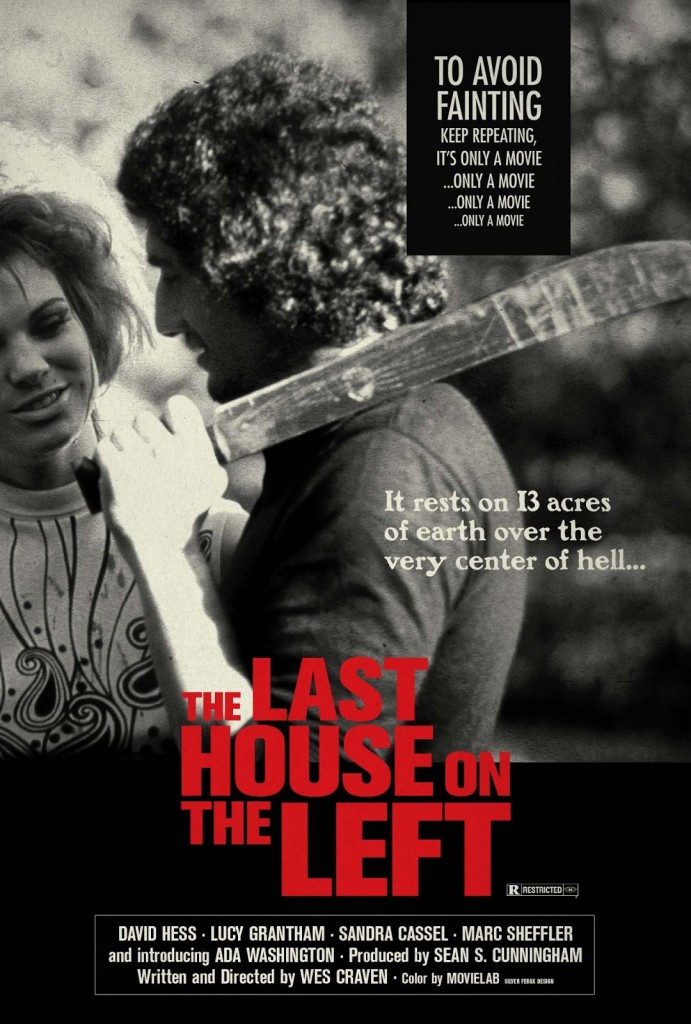
Admittedly, this is a very difficult place to start, especially for non-horror fans. I can’t recommend Craven’s first film The Last House on the Left. It falls soundly into that category of horror populated by realistically unsettling storytelling. Even if you do like horror but your preferences skew toward the scary yet implausible variety, then this is not the film for you.
Instead, this is Craven exploring the darkest of horror. Not the phantasmagorical. Not the supernatural. Not the paranormal. For Craven, we were the most frightening monsters to examine. Thus, when this film starts out with the warning that this story is based on true events, I view it less as a specific warning and more of a generic caution that what we’re about to see can be as true as we make it. As anyone who pays attention to the news even today (even? especially today), we can make this true…and we can make far worse true.
In horror lingo, you can boil the story down to two words, one genre trope: rape revenge. I don’t like rape revenge stories. I also don’t like this type of realistic horror. Again, I’m aware enough of what we do to each other in real life that when I want to be scared, I want it to come from a horror that cannot actually happen to me. Maybe that’s a cop-out. I don’t know. However, reality is a bludgeon enough even when it isn’t being horrific. A couple hours of escapism is a nice balm to a bludgeoned soul.
However, Craven felt the need to go to these darker depths of humanity, driven by the need to better understand the reality he and his peers were experiencing at that point in history. He said in many interviews regarding this movie that it was spurred into life by our increasingly violent culture. The images broadcast from the Vietnam War in particular brought violence into homes all along Main Street USA in visceral, unsettling ways, leaving all of our society